
Thozhi Millet Store
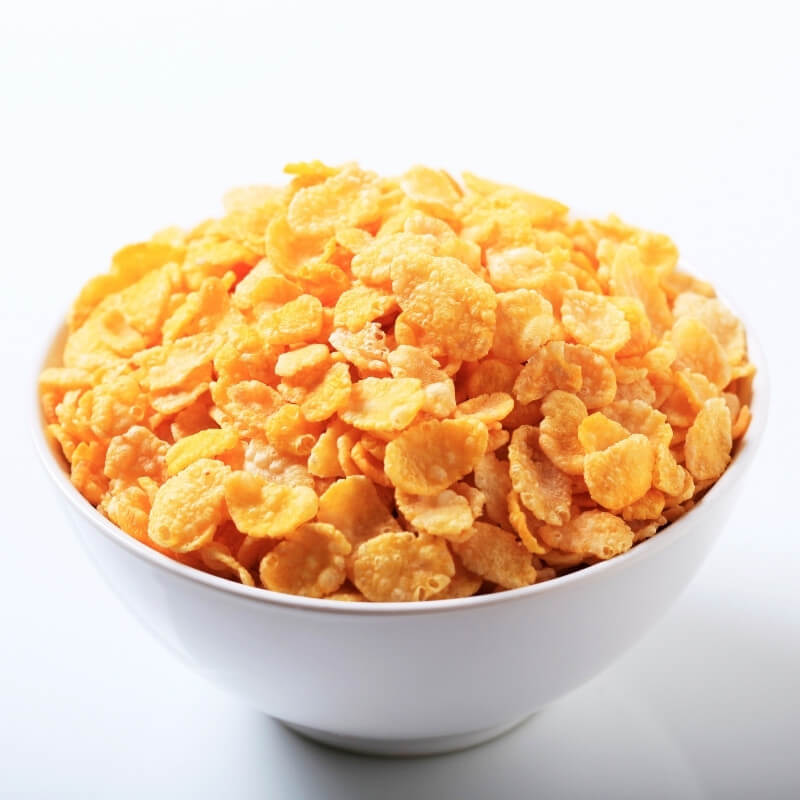
Corn Flakes
Corn Flakes
Couldn't load pickup availability
Corn flakes are one of the most recognizable breakfast cereals in the world. Made by milling sun-ripened corn into flakes that are toasted to a crisp, they offer a very different set of benefits compared to the traditional millet and legume flakes we’ve discussed.
Here are the primary benefits of corn flakes:
1. Instant Energy Source
Corn flakes are primarily composed of simple and complex carbohydrates.
-
Quick Start: They provide a rapid release of energy, making them a popular choice for a quick morning "pick-me-up."
-
Glycogen Replenishment: Because they are easily digested, they can serve as an efficient post-workout snack to quickly replenish energy stores.
2. Fortification with Essential Nutrients
Most commercially available corn flakes are fortified, meaning vitamins and minerals are added during processing.
-
Iron & B-Vitamins: They are often a significant source of Iron, Vitamin B12, and Folate, which are essential for blood health and energy metabolism.
-
Vitamin A & D: Many brands add these vitamins to help support immune function and bone health.
3. Heart Health (Low Cholesterol)
-
Naturally Low in Fat: Corn flakes are naturally very low in fats and contain zero cholesterol, making them a heart-friendly base for a meal.
-
Lutein Content: Corn contains Lutein, a carotenoid that is beneficial for eye health and may help protect against certain types of cardiovascular issues.
4. Versatility and Palatability
-
Easy Digestion: They are very "light" on the stomach, making them a good option for people recovering from illness or those with sensitive digestive systems.
-
Culinary Uses: Beyond breakfast, they are widely used as a healthy, crunchy coating for baked (rather than fried) chicken or vegetables, providing texture without excessive oil.
5. Protein Synergy
While corn flakes themselves are relatively low in protein (~7g per 100g), they are almost always consumed with milk or yogurt.
-
Complete Meal: Adding milk completes the amino acid profile and adds a significant dose of protein and calcium, turning a simple flake into a balanced meal.
Share