
Thozhi Millet Store
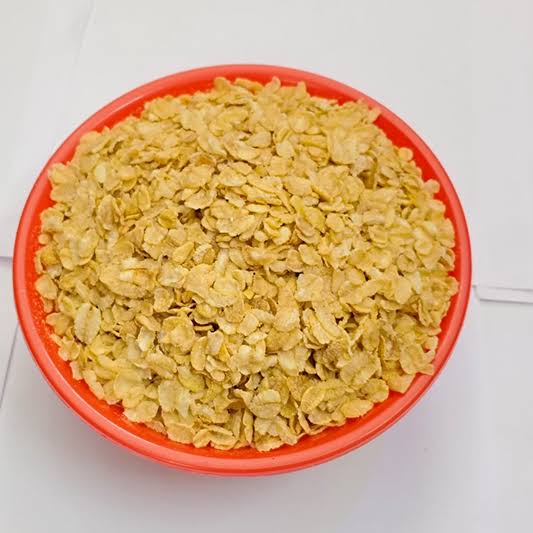
Wheat Flakes
Wheat Flakes
Couldn't load pickup availability
Wheat flakes are a popular whole-grain breakfast staple, offering a very different nutritional profile compared to the millets we’ve discussed. While millets are often prized for being gluten-free and mineral-dense, whole wheat flakes excel in providing specific types of fiber and essential B vitamins.
Here are the primary benefits of whole wheat flakes:
1. High in Insoluble Fiber
Whole wheat is a major source of insoluble fiber, which does not dissolve in water.
-
Digestive Regularity: This type of fiber adds bulk to the stool and helps food pass more quickly through the stomach and intestines, effectively preventing constipation.
-
Gut Health: It helps maintain an optimal pH in the intestines and can reduce the risk of diverticular disease.
2. Rich in B-Complex Vitamins
Wheat flakes are an excellent source of several B vitamins that are vital for metabolic processes:
-
Vitamin B1 (Thiamine): Essential for glucose metabolism and nerve function.
-
Vitamin B3 (Niacin): Helps the body convert food into energy and supports healthy skin and nerve function.
-
Vitamin B9 (Folate): Crucial for DNA synthesis and the formation of red blood cells.
3. Energy Levels and Satiety
Because wheat flakes are a complex carbohydrate, they provide a steady stream of energy.
-
Sustained Release: Unlike sugary cereals, whole wheat flakes take longer to break down, keeping your energy levels stable throughout the morning.
-
Appetite Control: The combination of protein and fiber helps trigger the "fullness" hormone, making it easier to manage weight by reducing mid-morning snacking.
4. Heart Health
Wheat contains plant sterols and high amounts of fiber that contribute to cardiovascular wellness.
-
Cholesterol Management: The fiber helps reduce the absorption of cholesterol into your bloodstream.
-
Lignan Content: Wheat contains phytonutrients called lignans, which have been associated with a lower risk of heart disease.
5. High Manganese and Selenium
Wheat is a significant source of these two important trace minerals:
-
Manganese: Essential for bone formation and the metabolism of amino acids, lipids, and carbohydrates.
-
Selenium: Acts as a powerful antioxidant that supports thyroid function and protects the body from oxidative damage.
Share